

zoesheridan219
About zoesheridan219
Property Reviews & Guide
The real estate market does not move in one direction nationwide. It never has. What is happening in Austin is not what is happening in Cleveland. What is true for a three-bedroom in the suburbs of Dallas has almost nothing to do with a two-bedroom in San Francisco. Before you do anything else, narrow your focus to the specific market you are shopping in and stop reading national headlines as if they apply to you personally.
 In markets where developers managed to bring inventory to market faster than demand absorbed it, prices have pulled back. Several Sun Belt metros that boomed during the pandemic have given back a portion of those gains. But those are the exceptions. Most markets are not working from excess; they are working from scarcity.
Here is what that creates for someone with solid credit and a real pre-approval in hand: less competition than you would have faced in 2021 or 2022. The panic buyers are gone. The buyers who showed up with desperation instead of preparation have mostly sat back down. What remains is a more functional market, even if it is not a cheap one.
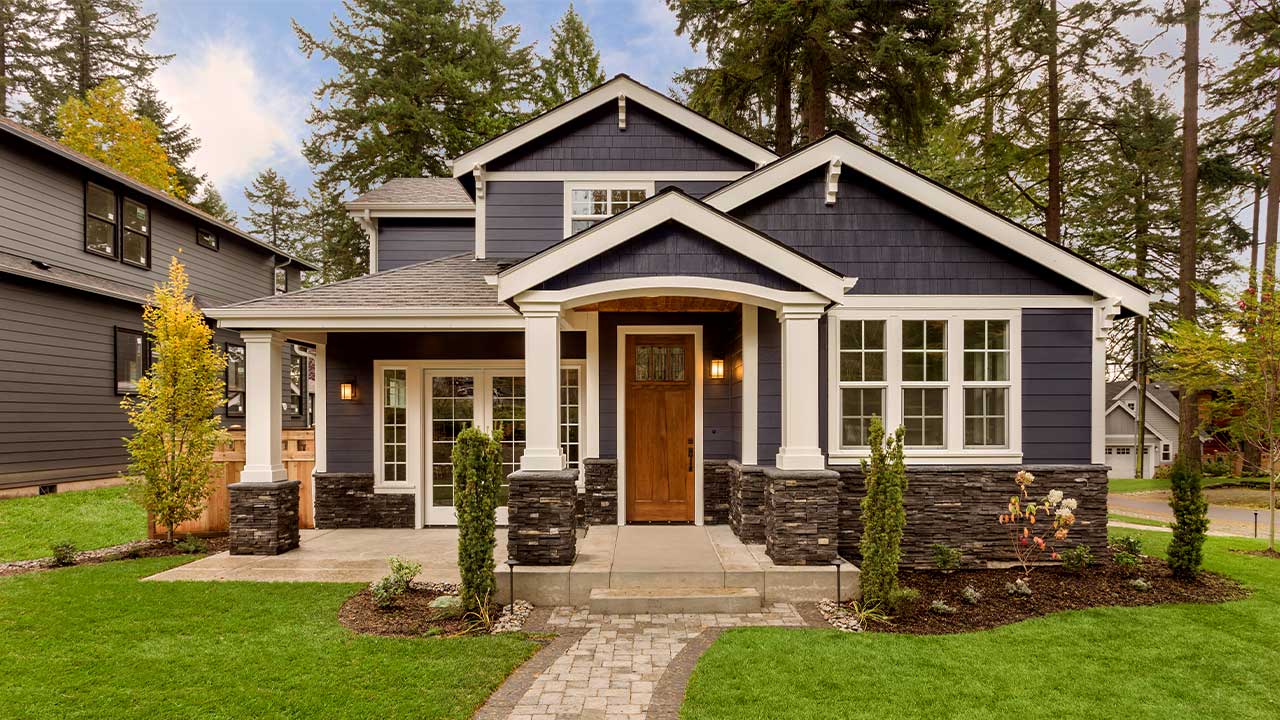 Shop more than one institution, because the spread in rates and costs is real. A quarter-point difference in your interest rate adds up to around twenty thousand dollars over a thirty-year loan on a four hundred thousand dollar mortgage. Lender fees vary too. Do not compare rate quotes without also comparing origination fees, points, and closing costs.
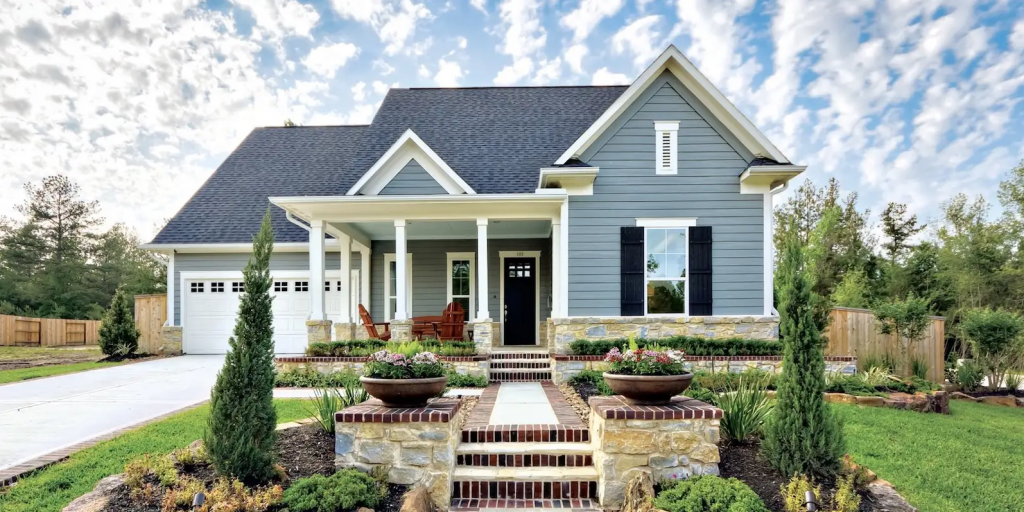 The appraisal is the lender’s check, not yours. When the appraisal comes in below contract, the deal does not automatically die, but it does require a decision. Ask your agent what the local pattern looks like before you structure an offer without an appraisal contingency.
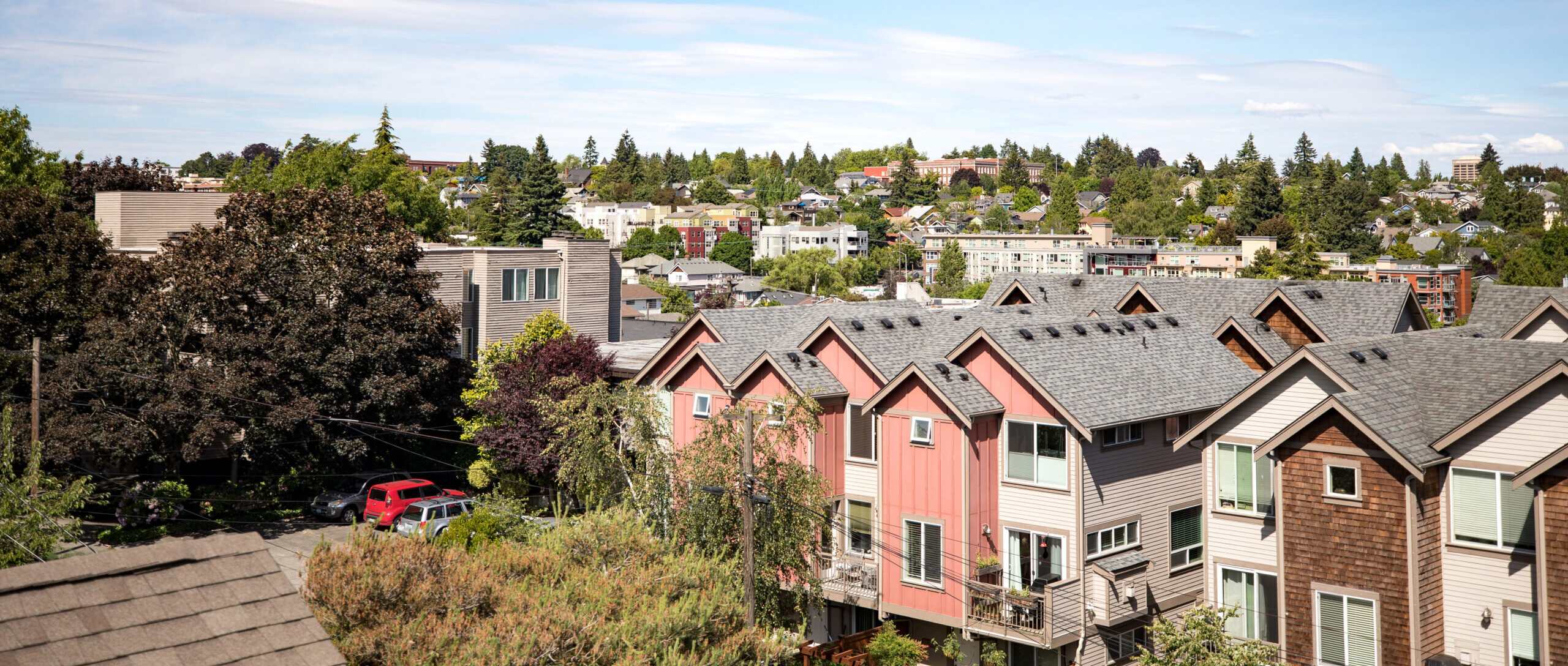 Budget between two and five percent depending on your loan type and the state you are buying in. First-time buyers are sometimes surprised by how much cash is required beyond the down payment itself. Ask your lender for a Loan Estimate with a realistic purchase price so the numbers reflect what you are actually going to face.
The timing question, whether to buy now or wait for a better moment, is the one that trips up more buyers than any other single factor. The record on market timing for owner-occupied housing is not encouraging. The more useful question is not whether now is the right time in the abstract; it is whether the home works for your actual life for the next five to seven years.
Buyers who take the time to research properly tend to find that opportunities exist even when conditions look difficult on paper. Current property listings and market tools at real estate listings and data are worth bookmarking before you make any major moves.
No listing found.